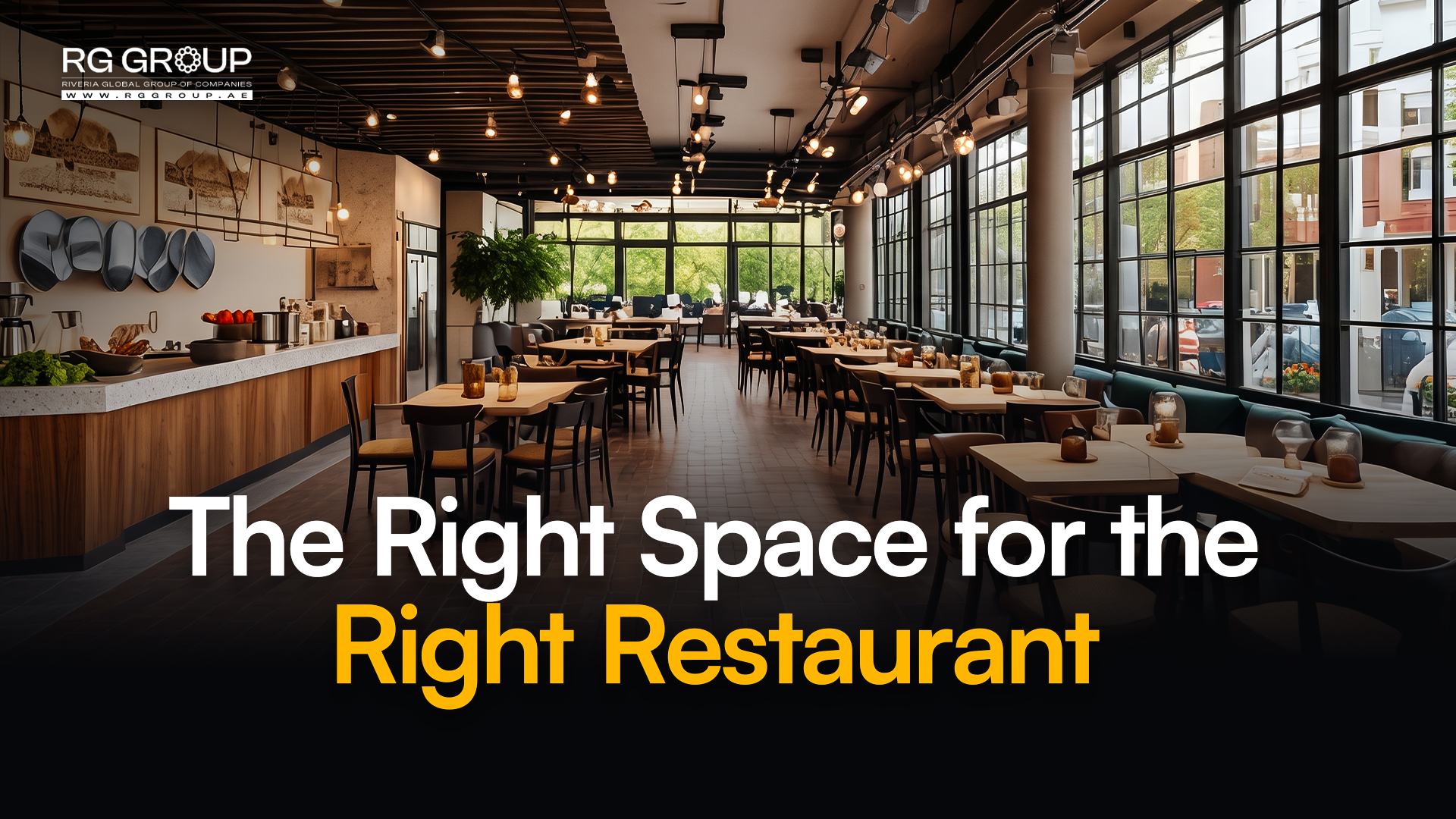
Dubai’s dining market continues to evolve, creating opportunities for restaurant operators across established destinations, residential communities, mixed-use developments, and emerging commercial areas. At the same time, strong demand for well-positioned retail space means choosing the right premises requires careful evaluation.
When searching for a restaurant for rent Dubai, operators should consider more than location and annual rent. The property must support the restaurant concept, operational requirements, customer experience, and long-term business plan.
Understand the Customer Catchment
A busy location does not automatically guarantee the right customers. Before leasing, operators should study the surrounding residential population, offices, hotels, tourist activity, nearby businesses, and competing restaurants.
The ideal restaurant space for rent should match the target audience. A premium dining concept may require a different location strategy from a neighbourhood café, quick-service restaurant, or delivery-focused operation.
Check the Space for F&B Requirements
Restaurant premises have more technical requirements than standard retail units. Before committing to a lease, operators should confirm whether the property can accommodate the intended kitchen and operational setup.
Important considerations include kitchen exhaust, power capacity, drainage, ventilation, grease management, waste handling, air-conditioning, gas requirements where applicable, and delivery access. Identifying limitations early can prevent expensive changes during the fit-out stage.
Calculate the Full Occupancy Cost
The advertised rent should not be viewed as the complete property cost. Operators should review service charges, deposits, fit-out expenses, utility requirements, maintenance responsibilities, possible rent escalation, and other lease-related costs.
This is particularly important as demand remains strong for quality retail locations across Dubai. A detailed cost assessment provides a clearer understanding of whether the space is financially sustainable throughout the lease period.
Review Visibility, Parking and Accessibility
For many restaurant concepts, convenience directly influences customer traffic. Strong frontage, visible signage, suitable parking, easy vehicle access, pedestrian movement, and convenient delivery collection points can improve the commercial potential of a location.
Operators should also consider how easily customers can reach the restaurant during peak dining periods.
Understand the Lease Conditions
Before signing, review the lease carefully, including the contract duration, renewal terms, rent increases, fit-out period, permitted use, maintenance obligations, signage rights, early termination conditions, and handover requirements.
Operators should also confirm that the proposed restaurant activity and fit-out can obtain the necessary approvals before making major financial commitments.
Consider the Property’s Long-Term Potential
A restaurant lease is more than a short-term space decision. Surrounding development, new residential communities, business activity, hospitality growth, and changes in local customer demand can influence future performance.
For investors assessing Dubai commercial real estate investment, restaurant units can offer a distinct commercial proposition when the premises are designed for efficient operations and positioned within an active dining catchment.
Conclusion
Selecting the right restaurant space requires a balance of location, operational suitability, lease structure, costs, accessibility, and future potential. Careful due diligence before signing can help restaurant operators reduce unexpected expenses and create a stronger foundation for long-term operations.
Looking for strategically positioned restaurant and commercial opportunities in Dubai?
Connect with RG Group to explore commercial properties aligned with your business and investment requirements.
FAQs
1. What should I check before renting a restaurant in Dubai?
Review the location, customer catchment, technical F&B requirements, total occupancy costs, accessibility, permitted use, and lease conditions.
2. Is every retail unit suitable for a restaurant?
No. Restaurant operations may require specific ventilation, exhaust, drainage, power, waste management, and other technical provisions.
3. Why is location important when choosing restaurant space for rent?
The right location provides access to the restaurant’s target customers while supporting visibility, convenience, deliveries, and overall operational performance.
4. Should operators consider future development around the property?
Yes. New residential, commercial, hospitality, and mixed-use developments can change customer catchments and influence the long-term potential of a restaurant location.